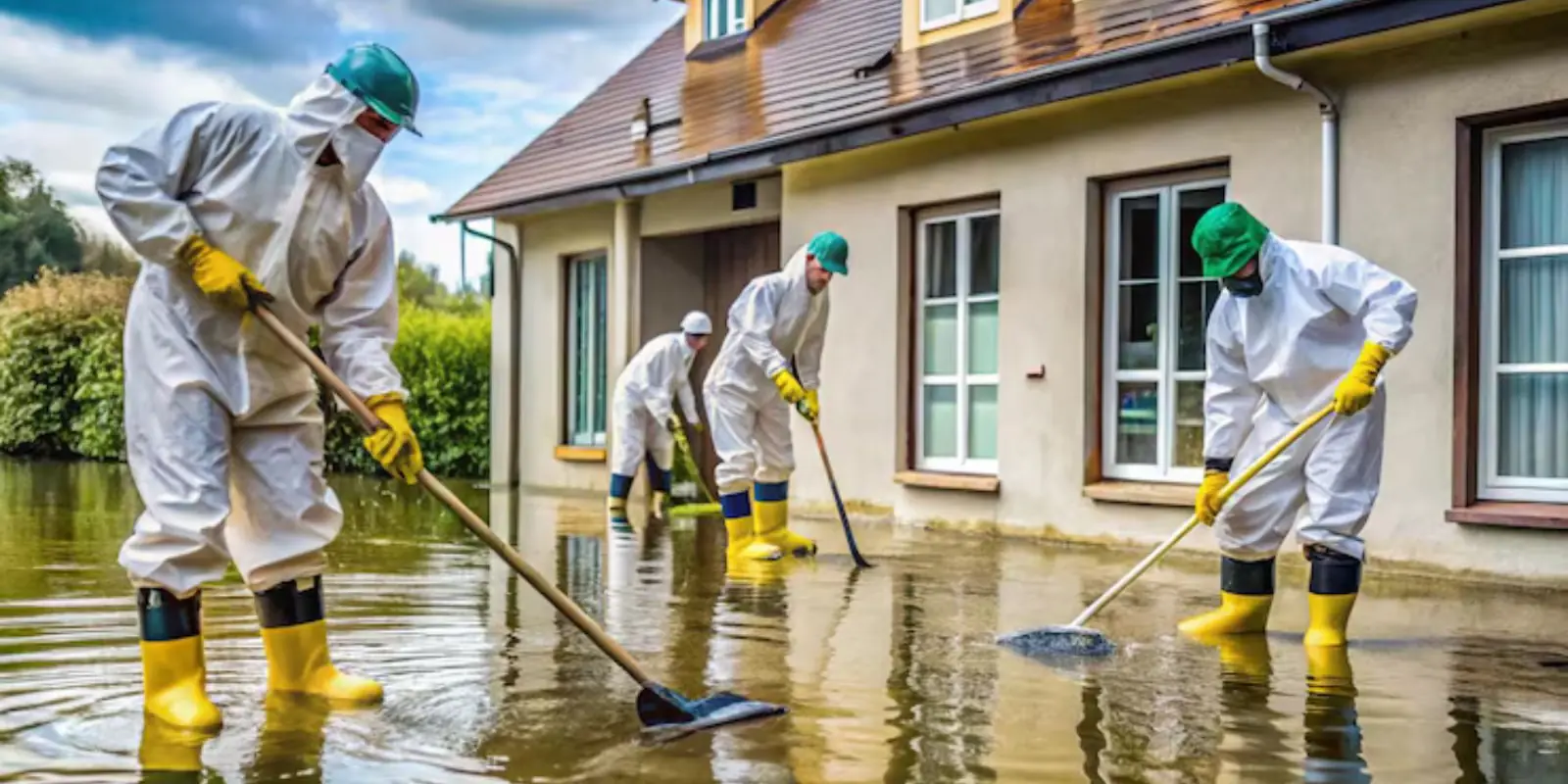
Water Damage Restoration in Marblehead, MA
A burst pipe, a flooded basement or a wet ceiling needs a fast, clear plan. Call the dispatch line any hour and we send licensed and insured crews, with scope and price explained before work starts.
- Licensed and insured
- Scope and price explained first
- 24/7 dispatch
Dispatch at a glance
Active leak or standing water in Marblehead?
Our emergency line is staffed 24/7, including nights, weekends and holidays. Call now and we dispatch licensed and insured crews to your address. Scope and price are explained before work starts.
Water damage restoration is the work of stopping a water problem, removing standing water, drying the structure and repairing what could not be saved. In Marblehead it covers burst pipes, failed water heaters, roof and window leaks, sump pump failures, and storm water that reaches a basement. The goal is simple: get the building dry before mold and rot start.
Marblehead Water Damage Pros is a dispatch network. When you call, we connect you with licensed and insured restoration professionals who serve Marblehead and the nearby towns of Swampscott, Salem, Lynn, Peabody and Beverly.
The first hour: what to do while you wait
Whatever is wet, the next sixty minutes matter more for what you protect than for what you fix. If water is still coming in, find the source and stop it. For a plumbing leak that means the main shutoff valve, usually near where the water line enters the basement or utility room.
- Shut off the water at the main valve, or at the fixture valve if the leak is a single toilet, sink or appliance.
- Cut power to the wet area only if the panel is dry and safe to reach. If water is near outlets, the panel or anything sparking, stay out and call 911 or the utility first.
- Lift valuables, rugs, electronics and paper off wet floors, and move furniture legs onto foil or plastic.
- Keep people and pets out of any water that may have come from a drain, toilet or outside flooding.
- Take photos and short video of the damage before anything is moved. Your insurer will ask for them.
Then call the dispatch line. A dispatcher will ask where the water came from, how far it has spread and what materials are wet, so the right crew and equipment are matched to the job.
Water categories and what each one means
Restoration crews classify water by how contaminated it is. The ANSI/IICRC S500 standard is the published industry standard for professional water damage restoration, and it uses three categories. The category sets what can be dried and kept and what has to be removed.
| Category | What it means | What is done |
|---|---|---|
| Category 1 | Clean water from a broken supply line, a failed fixture or rain through a clean source | Extract the water, set air movers and dehumidifiers, and monitor drying until the materials read dry |
| Category 2 | Gray water from a dishwasher or washing machine, or clean water that has sat long enough to pick up contamination | Extract, clean and treat affected surfaces, and remove porous materials such as carpet padding that cannot be cleaned |
| Category 3 | Grossly contaminated water such as sewage backup or flood water from outside | Remove affected porous materials, clean and disinfect what stays, and dry the structure with protective gear on the crew |
Clean water does not stay Category 1 forever. Left for a day or two, it can degrade to Category 2 and need more work to fix, which is why calling early helps.
Our water damage services
Most calls start with a plan to stop the damage and dry the building. Water mitigation covers that first stage: moisture mapping, extraction and controlled drying so the problem does not grow. Once the structure is dry, water damage repair rebuilds drywall, flooring, trim and paint.
If your home has just flooded with no end in sight, emergency water removal is the page to read first. For the sorting and clean-up of wet belongings and surfaces after the water is out, see water damage cleanup. Storm surge, coastal flooding and sewage backup fall under flood damage restoration, where contaminated water changes the whole job.
The full list, with a guide to choosing between them, is on our services overview.
Not sure which service you need?
Describe what happened to the dispatcher. Water source, what is wet and how long it has been wet is usually enough to start.
Mold after a leak
A good share of our calls come from people who found mold, not water. Mold needs moisture, so a past leak, a damp basement wall or a humid, unventilated bathroom is often behind it. Fixing the moisture comes before any cleaning.
Our mold remediation service follows ANSI/IICRC S520 practice: containing the area, removing affected materials and drying what remains. The Massachusetts DPH homeowner mold guide notes that no license is required to conduct mold remediation in the state. So ask any company how its crews work and whether they follow S520. Questions about health effects belong with your physician.
How a restoration job runs
Call and describe the loss
Tell the dispatcher where the water came from, what is wet and whether it is still running. Dispatch is 24/7, so the call can happen at 2 a.m.
Assessment and scope
The crew checks the damage with moisture meters, identifies the water category and explains the scope of work and the price before any work starts.
Extraction and drying
Standing water is pumped or vacuumed out, wet materials are removed where needed, and air movers and dehumidifiers dry the structure. Readings are taken until the materials are dry.
Repair and closeout
Once everything reads dry, the crew or a repair contractor replaces drywall, flooring and finishes, and you get a record of the work done.
Insurance documentation: what to keep
Sudden and accidental water damage, like a burst pipe, is often covered by a homeowners policy, while gradual leaks and neglect often are not. Mass.gov says standard homeowners policies do not cover flood damage, though a rider for sump pump failure or water backup may give some coverage. Check your policy and ask your insurer what applies.
Whatever the cause, keep photos, video, receipts and the written scope of work. Mass.gov advises photographing damage inside and out. Do not throw away damaged items until your insurer has had a chance to see them or has told you that you can.
Marblehead conditions that shape water damage
Harbor, Neck and older houses
The town's own hazard mitigation plan says flood zones are present throughout Marblehead. The state-funded 2017-2018 climate planning report names flood-prone areas that include The Causeway to the Neck, parts of Marblehead Harbor such as Front and Gregory Streets, Little Harbor to Doliber's Cove, and Atlantic Avenue near Preston Beach. If you live in one of these areas, check the FEMA flood map for your address and ask your insurer about separate flood coverage before storm season.
That report also says The Causeway is the only road access to the Neck and was closed seven times in the year before it was written, because of storms and extreme high tides. If you live on the Neck, say so when you call, because access can be affected after a coastal storm.
Marblehead has a long record of coastal storms. The hazard plan lists a March 2018 coastal storm and a September 2023 severe weather and flooding event among its federal disaster declarations. After a nor'easter, water often arrives from outside, which means contaminated Category 3 water and a different job than a pipe break.
Old Town is largely protected by the Marblehead Historic District and has many older houses. Old framing, plaster and wood floors can hold moisture and react to heavy equipment, so tell the dispatcher the age of the house and ask the crew to explain how they will dry it. The town has a Certificate of Appropriateness process for the historic district, so ask the town before changing anything visible from the street.
One local rule matters for basements. The town says homeowners may not discharge sump pump connections into the sanitary sewer system. If you are planning a replacement pump after a flood, contact the town's Highway and Drain Department about where the discharge may go.
Sources: Town of Marblehead Hazard Mitigation Plan (Oct 2023), MA Municipal Vulnerability Preparedness Planning Grant Report 2017-2018 (mass.gov), Town of Marblehead sump pump page, Wikipedia (historic district).
What we do not do
We restore water damage and remediate mold. We do not do waterproofing, foundation repair or exterior drainage work. If your basement floods every time it rains, drying it out solves the damage but not the cause, so you will also need a waterproofing or drainage specialist.
We will tell you plainly if a job falls outside restoration.
Nearby towns we cover
Our crews serve more than Marblehead. In Swampscott, water damage restoration in Swampscott offers the same services. Across the Forest River, Salem has its own page for Salem water damage restoration, and our page for Lynn covers the city to the southwest.
Further along the North Shore, you can read about Peabody water damage restoration and the Beverly water damage service. All five areas, along with Marblehead, are listed on our service area page.
Frequently Asked Questions
Is emergency water removal available at night in Marblehead?
Yes. The dispatch line is open 24/7, including nights, weekends and holidays. Call, describe the water, and dispatch connects you with a licensed and insured crew. We do not promise an arrival time, but we will tell you what to do while you wait.
What should I do first when water floods my basement?
Stop the source if it is a plumbing leak, keep out of the water if it could reach outlets or the panel, and call 911 or the utility if there is an electrical or gas risk. Then call the dispatch line and take photos before moving anything.
Will you waterproof my basement?
No. Restoration is not waterproofing. We dry and repair the damage, but we do not do foundation work, sealing or exterior drainage. If water keeps coming in, you will need a waterproofing specialist in addition to restoration.
How do I know if my loss is large enough to involve my insurer?
Call your insurer early on any loss that is more than a small, quickly cleaned spill. Large losses often need an assessment by the insurer, and they will tell you what documentation they need. Keep photos, receipts and the written scope of work.
Is flood damage covered by homeowners insurance?
Usually not. Mass.gov says standard homeowners policies do not cover flood damage, and flood coverage is separate. A rider for sump pump failure or water backup may give some coverage, so check your policy.
Do you handle mold as well as water damage?
Yes. Mold remediation is our second service, after water damage. We follow S520 practice, and fixing the moisture source comes first. See our mold remediation page for the steps.
How long does drying take?
It depends on what is wet and what the material is. Dense materials like hardwood and plaster dry more slowly than carpet. Crews take moisture readings until the materials are dry, rather than working to a set number of days.
Water in the house right now?
Call the dispatch line any hour. Tell us what is wet and where the water came from, and we will tell you what happens next.
☎ (339) 333-9345